

Santa Clarita Frenectomy Dentist
Our dentists offer frenectomy services to treat tongue ties and lip ties in infants. This procedure addresses restricted frenum, also referred to as the thin piece of tissue that secures other muscles, such as the tongue or the upper lip.
What are the symptoms of a tongue tie?
Dental bonding, a popular cosmetic dentistry procedure, frequently serves as a quick and effective solution to address various aesthetic concerns, allowing you to achieve a more confident smile. At Santa Clarita Smiles, we understand that a beautiful smile can greatly impact your self-esteem, and we’re dedicated to helping you achieve the smile of your dreams.
- Colic
- Difficult intake of adequate milk
- Early weaning from the breast
- Extended nursing duration
- Slow weight gain
- Gassiness
- Falling asleep during a feed
- Unable to develop or sustain a good latch
- Unable to hold a pacifier
Poor latching can cause problems for mothers too including difficult breastfeeding, mastitis, anxiety, slow post-delivery weight loss, painful conditions of nipples, and low milk supply or early cessation of lactation.
How can I tell if my baby has a tongue tie?
If your baby is struggling to latch and you suspect a physical impediment to success, look into the baby’s mouth and use your finger to feel for tightness in the tissue under his or her tongue or between the front upper gum and lip.
How is the procedure completed?
First, your baby will be swaddled and a topical anesthetic, such as lidocaine, is applied to the area. The dentist then uses a precise laser to release the tightened or tethered tissue. The whole procedure takes less than 10 minutes and in most instances the baby is able to latch immediately when he or she is returned to you. Your baby may experience some slight swelling for a day or so following the treatment. Also, the dentist will provide advice on how to care for the baby’s mouth and if any exercises or post-surgical care is needed to ensure that the frenum does not reattach or tether again.
What are the benefits of a frenectomy?
Laser frenectomies are extraordinarily precise and quick. There is no need for general anesthesia. Your baby will only have minimal discomfort or swelling and the laser treatment sterilizes the treatment area, reducing the chance of infection. In addition to the benefits of the laser procedure, once the release of the tongue tie is complete, your baby will be more able to latch on to the breast and feed more efficiently. This will improve the baby’s health and wellbeing as well as the mother’s.If you have questions about this procedure or suspect that your baby might have a tongue tie, contact us to make an appointment with our doctors for assessment and advice. Our dentists offer frenectomy services to treat tongue ties and lip ties in infants. This procedure addresses restricted frenum, also referred to as the thin piece of tissue that secures other muscles, such as the tongue or the upper lip.
What are the symptoms of a tongue tie?
Tongue ties can affect the growth and development of the teeth and jaw, affecting alignment, tongue movement, and speech. In infants the primary concern is a poor latch for breastfeeding, which can result in other issues including:
- Colic
- Difficult intake of adequate milk
- Early weaning from the breast
- Extended nursing duration
- Slow weight gain
- Gassiness
- Falling asleep during a feed
- Unable to develop or sustain a good latch
- Unable to hold a pacifier
Poor latching can cause problems for mothers too including difficult breastfeeding, mastitis, anxiety, slow post-delivery weight loss, painful conditions of nipples, and low milk supply or early cessation of lactation.
How can I tell if my baby has a tongue tie?
If your baby is struggling to latch and you suspect a physical impediment to success, look into the baby’s mouth and use your finger to feel for tightness in the tissue under his or her tongue or between the front upper gum and lip.
How is the procedure completed?
First, your baby will be swaddled and a topical anesthetic, such as lidocaine, is applied to the area. The dentist then uses a precise laser to release the tightened or tethered tissue. The whole procedure takes less than 10 minutes and in most instances the baby is able to latch immediately when he or she is returned to you. Your baby may experience some slight swelling for a day or so following the treatment. Also, the dentist will provide advice on how to care for the baby’s mouth and if any exercises or post-surgical care is needed to ensure that the frenum does not reattach or tether again.
What are the benefits of a frenectomy?
Laser frenectomies are extraordinarily precise and quick. There is no need for general anesthesia. Your baby will only have minimal discomfort or swelling and the laser treatment sterilizes the treatment area, reducing the chance of infection. In addition to the benefits of the laser procedure, once the release of the tongue tie is complete, your baby will be more able to latch on to the breast and feed more efficiently. This will improve the baby’s health and wellbeing as well as the mother’s.If you have questions about this procedure or suspect that your baby might have a tongue tie, contact us to make an appointment with our doctors for assessment and advice.
Our Blogs

Transform Your Smile: How Cosmetic Dentistry Can Boost Your Confidence
A radiant smile does more than enhance your appearance—it can profoundly impact how you feel about yourself. Cosmetic dentistry offers the tools to transform your smile—and in turn, amplify your confidence. At Santa Clarita Smiles in Santa Clarita, Dr. Harleen Grewal and her team offer an array of cosmetic treatments tailored to elevate both the […]

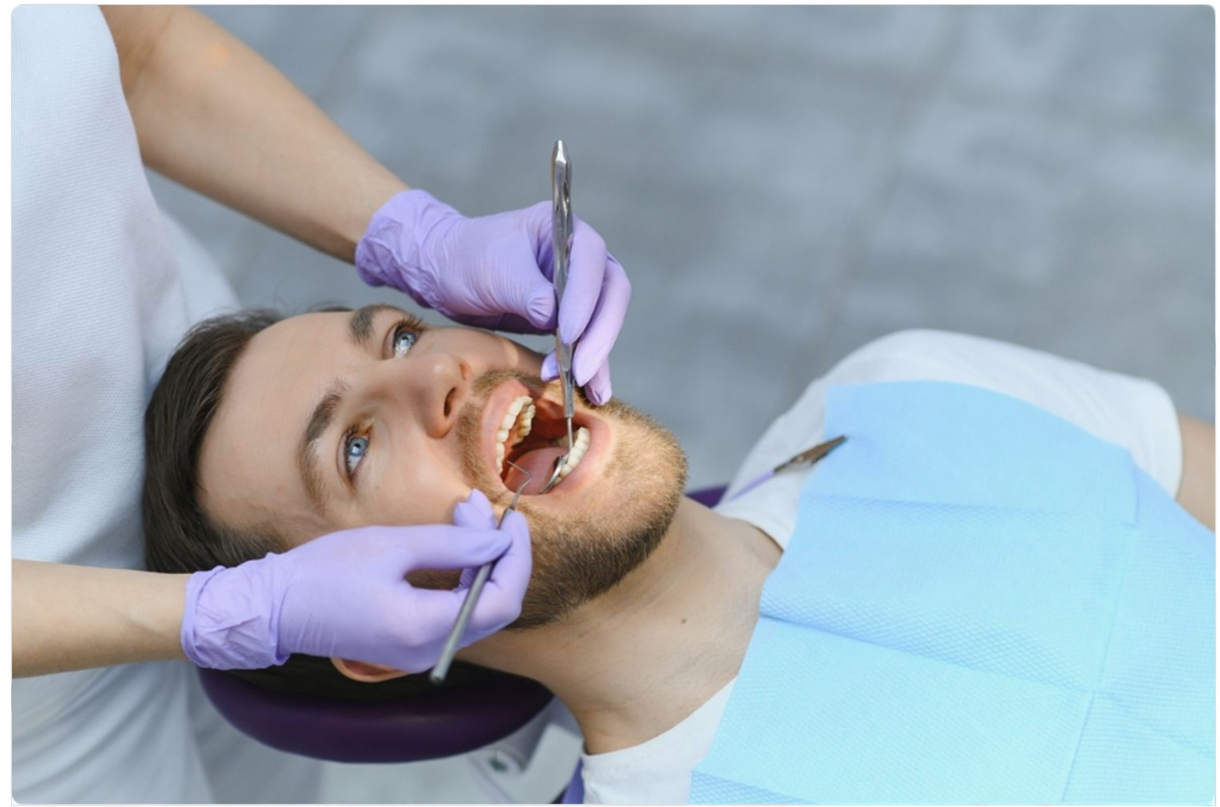
How General Dentistry in Santa Clarita Keeps Your Family Healthy and Smiling
Healthy smiles start with consistent care and a partner who understands family life. We focus on prevention, clear communication, and treatments that fit busy schedules so your family can spend less time worrying about dental problems and more time enjoying life. Our team tailors care to each patient, from young children to grandparents, with a […]
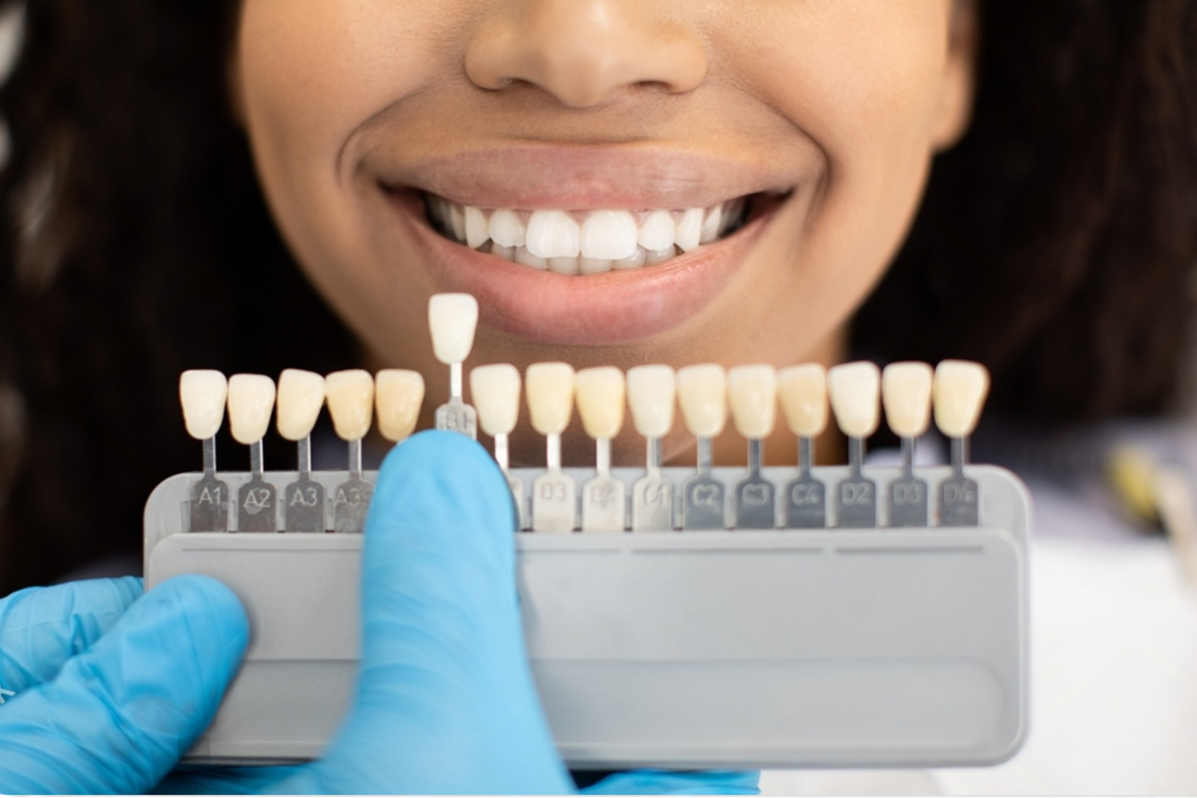
Brightening Beyond Whiteners: When Dental Veneers Become the Ultimate Solution
We all love the boost that a bright smile can give us. For many people, professional teeth whitening is enough to lift everyday stains and bring back that sparkling smile. But sometimes, stains run deeper than the surface, or the issue isn’t just about color.
Frequently Asked Questions
What is a frenectomy?
A frenectomy is a minor surgical procedure that removes or modifies the frenum—a small fold of tissue in the mouth that can restrict movement.
Why would someone need a frenectomy?
A frenectomy is often recommended to treat tongue-tie (ankyloglossia), lip-tie, speech difficulties, feeding issues in infants, or orthodontic problems.
Who typically needs a frenectomy—children or adults?
Both children and adults may need a frenectomy, but it’s more commonly performed in infants and children to improve feeding or speech.
What are the types of frenectomy procedures?
The main types include lingual frenectomy (under the tongue) and labial frenectomy (upper lip).
How is a frenectomy performed at Santa Clarita Smiles?
We use advanced laser technology for a quick, precise, and virtually pain-free frenectomy experience with minimal bleeding and faster healing.
Is laser frenectomy safe for children and infants?
Yes, laser frenectomy is a safe and effective option for all ages, including infants, due to its gentle and minimally invasive nature.
Does a frenectomy require stitches?
Laser frenectomies usually do not require stitches and heal faster than traditional methods.
How long does the frenectomy procedure take?
The procedure typically takes only 10–15 minutes, depending on the complexity.
Is there any preparation needed before a frenectomy?
Usually minimal prep is required. For infants, a feeding might be needed before the procedure. Your dentist will give you tailored instructions.
What is the recovery time after a frenectomy?
Recovery time is generally quick—most patients resume normal activities the same or next day. Infants may feed more comfortably within hours.
Is there pain after a frenectomy?
Most patients report only mild discomfort, which can be managed with over-the-counter pain relievers or cold compresses.
Are there any aftercare instructions?
Yes, stretching exercises and proper oral hygiene are usually recommended to prevent reattachment and promote healing.
Can my child eat normally after a frenectomy?
Soft foods are recommended initially, but normal eating can typically resume within a day or two.
What are the benefits of a frenectomy?
Benefits include improved speech, easier breastfeeding, reduced dental spacing issues, better oral hygiene, and enhanced comfort.
Will a frenectomy improve breastfeeding for my baby?
Yes, many breastfeeding mothers notice immediate improvement in latch and feeding after their infant’s frenectomy.
Can a frenectomy help with speech problems?
If a tight frenum is affecting tongue movement, a frenectomy can help improve speech articulation and clarity.
Are there any risks associated with frenectomy?
Risks are minimal, especially with laser treatment. Possible risks include mild swelling, bleeding, or scar tissue formation.
Are there alternatives to a frenectomy?
In some cases, speech therapy or orthodontic treatment may be alternatives, but your dentist will determine what’s best based on your needs.
Is frenectomy covered by insurance?
Many dental and medical insurance plans cover frenectomy procedures, especially when medically necessary. We can help verify your coverage.
How much does a frenectomy cost?
The cost varies based on the type of frenectomy and the complexity of the case. Please contact us for a personalized estimate.
Santa Clarita
Your Smile Journey Starts Here
Fill out the form below and we will be in touch with you shortly.
We Can’t Wait to Meet You!
Visit
Santa Clarita
Smiles

Office Hours
Monday:
8:00 AM - 5:00 PM
Tuesday:
8:00 AM - 5:00 PM
Wednesday:
8:00 AM - 5:00 PM
Thursday:
8:00 AM - 5:00 PM
Friday:
8:00 AM - 5:00 PM
Awards